

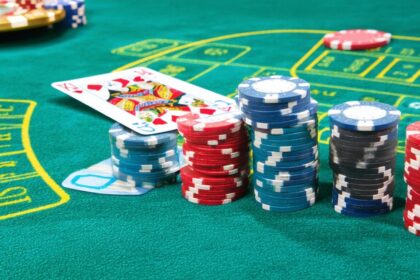

With the rapid evolution of online gaming platforms, visiting a casino USA site in 2026–2027 is projected to be as much about immersive entertainment as it is about wagering real money. The duality of expectation—juggling potential losses with the pursuit of pleasure—raises nuanced questions about the nature of “fun” in digital gambling, and how players can approach their experience from an informed perspective.
The Concept of Expected Loss: What Players Need to Know
At the heart of every casino game is the concept of expected loss. It’s not merely about the occasional thrill of a big win but about statistics, probability, and the inherent house edge built into every game.
Defining Expected Loss
Expected loss is a statistical calculation reflecting what a player can anticipate losing over time, given an established house edge. For instance, if you wager $100 on a slot machine with a 5% house edge, your expected loss is $5—regardless of short-term variance. While individual sessions may see swings both positive and negative, the long-run results usually conform to the math.
The House Edge: A System Built for Sustainability
From blackjack to roulette and newer, immersive live dealer games, USA casino sites rely on the house edge to ensure profitability. The edge varies greatly:
Slot machines: Often range from a 4% to 10% house advantage.
European roulette: Typically holds a 2.7% edge.
Blackjack (with optimal play): Can drop as low as 0.5%, provided players adhere to basic strategy.
These numbers may look small, but over time—and at scale—they guarantee the casino’s sustainability, even as individual players occasionally walk away winners. It’s a fundamental trade-off, and every reputable site makes it transparent via published return-to-player (RTP) rates.
Real-World Scenario: A Night of Slots
Consider a player spending two hours at a virtual slot with a 96% RTP (i.e., 4% house edge), making $1 bets at 500 spins per hour. The math is instructive:
Total wagered: $1 x 500 spins x 2 hours = $1,000
Expected loss: $1,000 x 0.04 = $40
This doesn’t mean a $40 loss is guaranteed; variance could tip things either way. But over dozens or hundreds of sessions, expected loss becomes a reliable blueprint.
The Psychology of Fun and Casino Entertainment
While the maths matter, fun sits at the center of most players’ motivation. The enjoyment—beyond mere winnings—stems from a complex web of psychological triggers, social interaction, and game design choices honed for engagement.
Dopamine, Escapism, and Sensory Stimulation
Casino games, particularly in the USA’s competitive online sector, are calibrated to maximize sensory stimulation. Pulsing graphics, celebratory sound effects, interactive bonuses, and social features (like live chat) all play into the dopamine-driven feedback loop.
“Entertainment is what distinguishes a sustainable player from a compulsive one. Those who treat casino games as amusement—something to pay for, like a movie ticket—tend to have healthier, longer-lasting relationships with the pastime.”
— Dr. Mark Griffiths, gambling psychology researcher
Social Play and Gamification in 2026–2027
The rise of gamified experiences—tournaments, loyalty missions, customizable avatars—has redefined online casino fun. Platforms now offer:
Leaderboards and achievements: Encouraging friendly competition and rewards each week.
Live video tables: Bringing a sense of “being there” and social belonging to remote players.
Skill-based bonus rounds: Giving a sense of control, even if the underlying outcome remains probabilistic.
These features boost player engagement, with many brands reporting increased retention rates when social and gamified elements are emphasized.
Balancing Reality: How to Minimize Expected Loss and Maximize Enjoyment
A pragmatic approach helps casino visitors walk the line between financial prudence and genuine entertainment. This involves adopting key strategies and keeping expectations realistic.
Know Your Limits: The Anatomy of a Fun Budget
Instead of gambling solely for profit, savvy players now treat casino bankrolls like discretionary spending for leisure. Responsible play involves:
Setting a time limit: Avoid extended sessions that can erode self-control.
Allocating a set budget: Only bring what you’re prepared to lose, akin to buying entertainment.
Frequent breaks: Step away to recalibrate emotion and decision-making.
Online platforms in the USA increasingly include built-in reality checks, spending reminders, and cooling-off periods, reflecting a broader regulatory trend prioritizing user safety.
Choosing Games with Better Odds
Another layer to the reality check is picking games that both stimulate and minimize loss. For example:
Blackjack and certain video poker variants (with correct strategy) often have a lower expected loss.
Slots and keno, while entertaining, tend to have higher house edges and should be approached as pure entertainment.
Understanding RTP and volatility ratings helps players align their game choices with their risk tolerance and goals.
Leverage Promotions and Loyalty Programs
Bonuses, free spins, and loyalty programs can soften the expected loss. However, it’s crucial to read terms carefully—wagering requirements or withdrawal limits can sometimes diminish the apparent value of these offers.
Case Study: A Player’s Weekend at a Top Casino USA Site (2027)
Imagine Sarah, an occasional gambler, deposits $200 at a leading regulated casino site. She splits her play between live roulette and tournament slots, using a matched bonus to double her playtime.
Expected loss: With a blended house edge (slots at 4%, roulette at 2.7%), her odds suggest around $6–$8 lost per $100 wagered.
Fun factor: Weekly slot races and a live blackjack social event engage her beyond the wins and losses.
Outcome: Sarah ends her weekend down $20, but values the hours of immersive, interactive entertainment and social exchange—mirroring countless real-world casual gambling experiences in the modern US market.
Conclusion: Informed Play Is the Key to Lasting Enjoyment
The landscape for a casino USA site in 2026–2027 is evolving, but the fundamental dynamic remains: players should expect some monetary loss in exchange for entertainment. Understanding expected loss alongside game mechanics and psychological rewards helps individuals approach online casinos with eyes wide open. When fun is prioritized and play is budgeted with intention, the reality is a sustainable and satisfying blend of risk and reward.
FAQs
What is expected loss at a casino site?
Expected loss is a statistical average of how much a player is likely to lose over time based on the house edge for each game, not accounting for short-term luck or variance.
How can I have fun while gambling responsibly?
Limit your spending and playtime, treat casino gaming as paid entertainment, and use site tools like deposit caps and reality checks to stay in control.
Are some casino games better for minimizing losses?
Yes. Skill-based games like blackjack and video poker often have lower house edges, especially when played with optimal strategy. Slots and keno generally carry higher expected losses.
How are casino sites in the USA promoting safe play?
More platforms now include built-in safeguards: spending limits, session time reminders, loss-limit warnings, and access to responsible gambling resources.
Do loyalty programs actually reduce my expected loss?
While bonuses and rewards can offset some losses, always review terms carefully—certain conditions may limit cash returns. Still, savvy use of offers can extend your entertainment value.
Is it possible to consistently make money at online casinos?
Consistent long-term profit is unlikely due to the house edge. Some players may win in the short term, but over many plays, casinos retain their statistical advantage.